

Simple Maintenance Tips to Keep Your Ductless Mini-Split Running Smoothly
February 21, 2026

Ductless mini-split systems have become an increasingly popular choice for homeowners and businesses seeking efficient, flexible, and energy-conscious heating and cooling solutions. Unlike traditional HVAC systems that rely on extensive ductwork, ductless mini-splits provide targeted temperature control, offering both heating and cooling in a single unit. Their adaptability, quiet operation, and energy efficiency make them ideal for spaces ranging from small apartments to large commercial settings. However, like any mechanical system, ductless mini-splits require consistent care and attention to maintain optimal performance and longevity. Without regular maintenance, even the most advanced systems can experience reduced efficiency, higher energy bills, or costly repairs over time.
Understanding the essential maintenance practices for ductless mini-splits is crucial for any owner or facility manager. By adopting simple, routine care measures, you can prevent common issues, enhance system efficiency, and extend the lifespan of your equipment. In this blog, we will explore practical and actionable maintenance tips to keep your ductless mini-split running smoothly. From filter cleaning to professional servicing, these insights are designed to help you optimize performance, reduce operating costs, and ensure a comfortable indoor environment all year round.
1. Regular Filter Cleaning
Why Filters Matter
The air filter is the frontline defense of your mini-split system, capturing dust, pollen, pet dander, and other airborne particles. Over time, clogged filters restrict airflow, forcing the unit to work harder, which reduces efficiency and can strain internal components. Additionally, dirty filters can compromise indoor air quality, posing health risks for occupants, particularly those with allergies or respiratory conditions.
Cleaning Frequency and Method
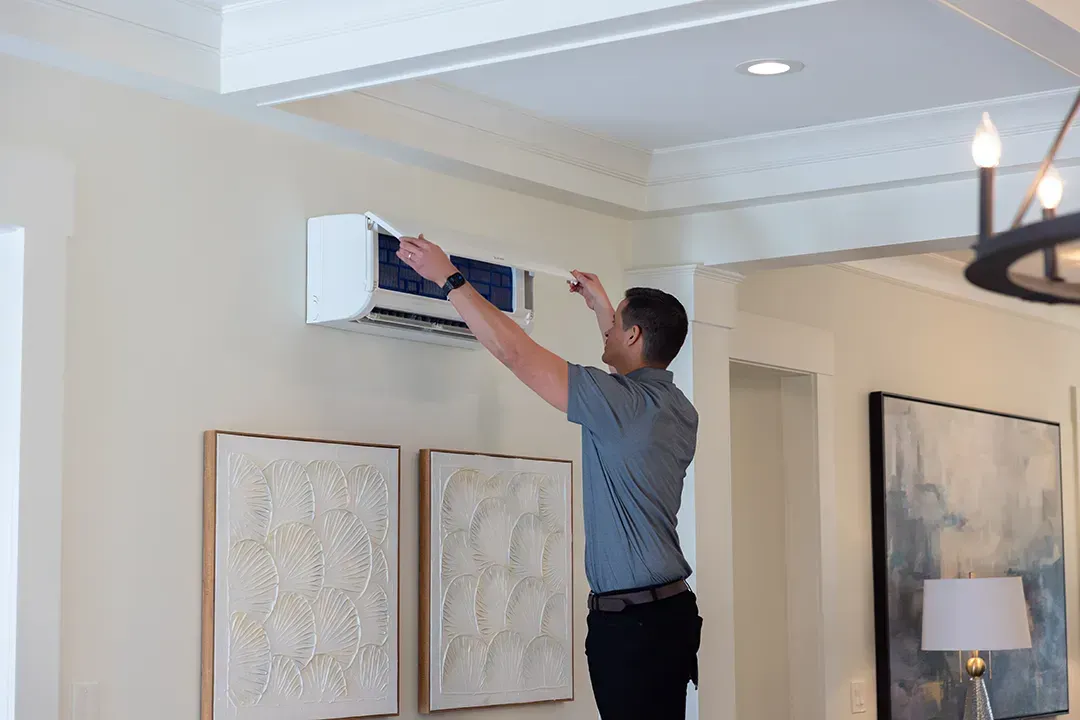
For most households, filters should be inspected every two weeks during peak usage and cleaned at least once a month. Cleaning is typically straightforward: remove the filter, gently vacuum to remove surface dust, and wash with warm, soapy water. Ensure the filter is fully dry before reinstalling to prevent mold growth.
2. Inspecting and Cleaning the Indoor and Outdoor Units
Indoor Unit Maintenance
The indoor unit of a mini-split contains the evaporator coil and blower fan, both critical for heat transfer and air circulation. Dust accumulation on the coil reduces its ability to absorb heat, while debris in the fan can cause noise and uneven airflow. Regular inspection every few months is essential. Gently wipe the unit’s exterior with a soft cloth and use a soft brush or vacuum attachment to clean the coil and fan blades. Avoid using harsh chemicals that could damage sensitive components.
Outdoor Unit Maintenance
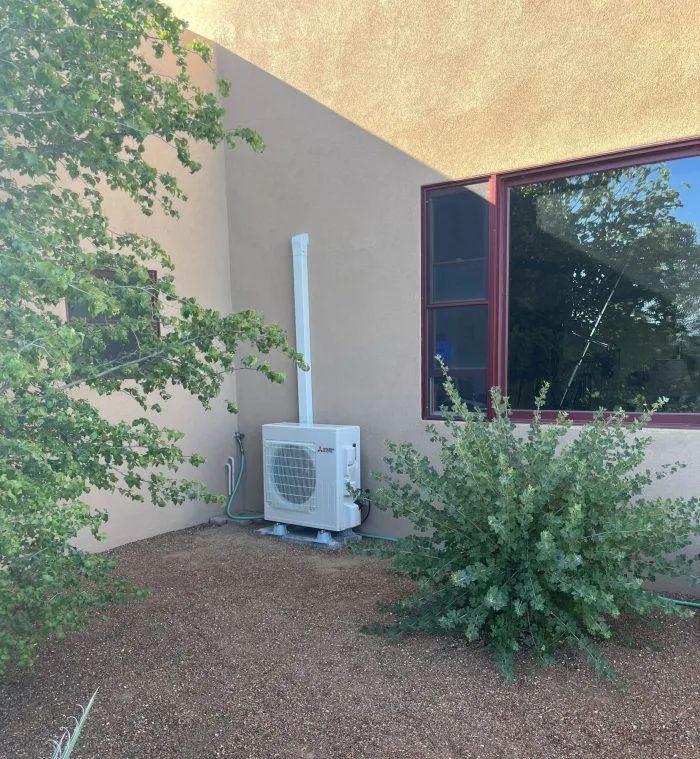
The outdoor condenser unit is exposed to the elements, making it prone to dirt, leaves, and other debris. Clear the area around the unit of obstructions and ensure at least two feet of clearance for proper airflow.
3. Monitor Refrigerant Levels
Importance of Proper Refrigerant
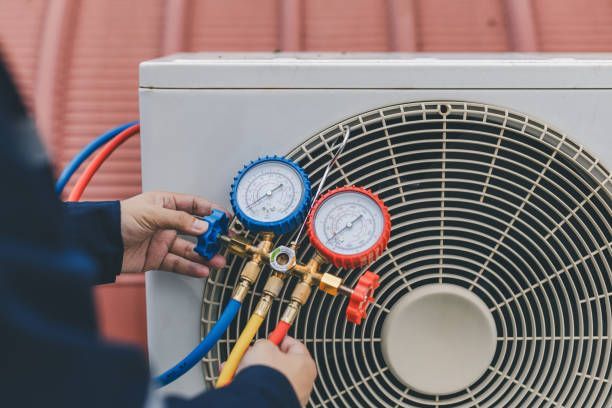
Refrigerant is the lifeblood of a mini-split system, facilitating heat transfer between the indoor and outdoor units efficiently and effectively. Low refrigerant levels can cause poor cooling or heating performance, significantly increased energy consumption, and even potential compressor damage over time. Leaks are a common issue, often caused by natural wear and other factors.
Signs of Low Refrigerant
Homeowners may notice insufficient cooling, ice forming on the evaporator coil, or unusual hissing and bubbling sounds from the system components. If these symptoms appear, it’s crucial to contact a licensed HVAC technician immediately for proper diagnosis and safe replenishment of refrigerant.
Best Practices
Routine professional inspections once or twice a year help detect refrigerant leaks early before they escalate into costly problems. A qualified HVAC technician can verify levels, thoroughly test for leaks, and safely recharge the system if necessary. Regular monitoring ensures the system operates at peak efficiency, reliability, and comfort while extending its overall lifespan considerably.
4. Manage Electrical Connections and System Controls
Checking Wiring and Connections
Electrical issues are a common cause of mini-split malfunctions and unexpected system failures. Loose connections, worn or frayed wiring, or faulty circuit breakers can lead to intermittent operation, system shutdowns, or serious safety hazards. Regularly inspect visible wiring for signs of wear, corrosion, or overheating, and ensure the power supply remains stable at all times.
Remote Control and Thermostat Functionality
Modern mini-splits often use remote controls or smart thermostats for precise temperature management and energy optimization. Ensure batteries are fresh, sensors are clean, and settings are appropriately configured for seasonal demands. Malfunctioning or misconfigured controls can result in inefficient operation or uneven room temperatures, creating unnecessary energy waste.
5. Professional Maintenance and Annual Inspections
Why Professional Care Matters
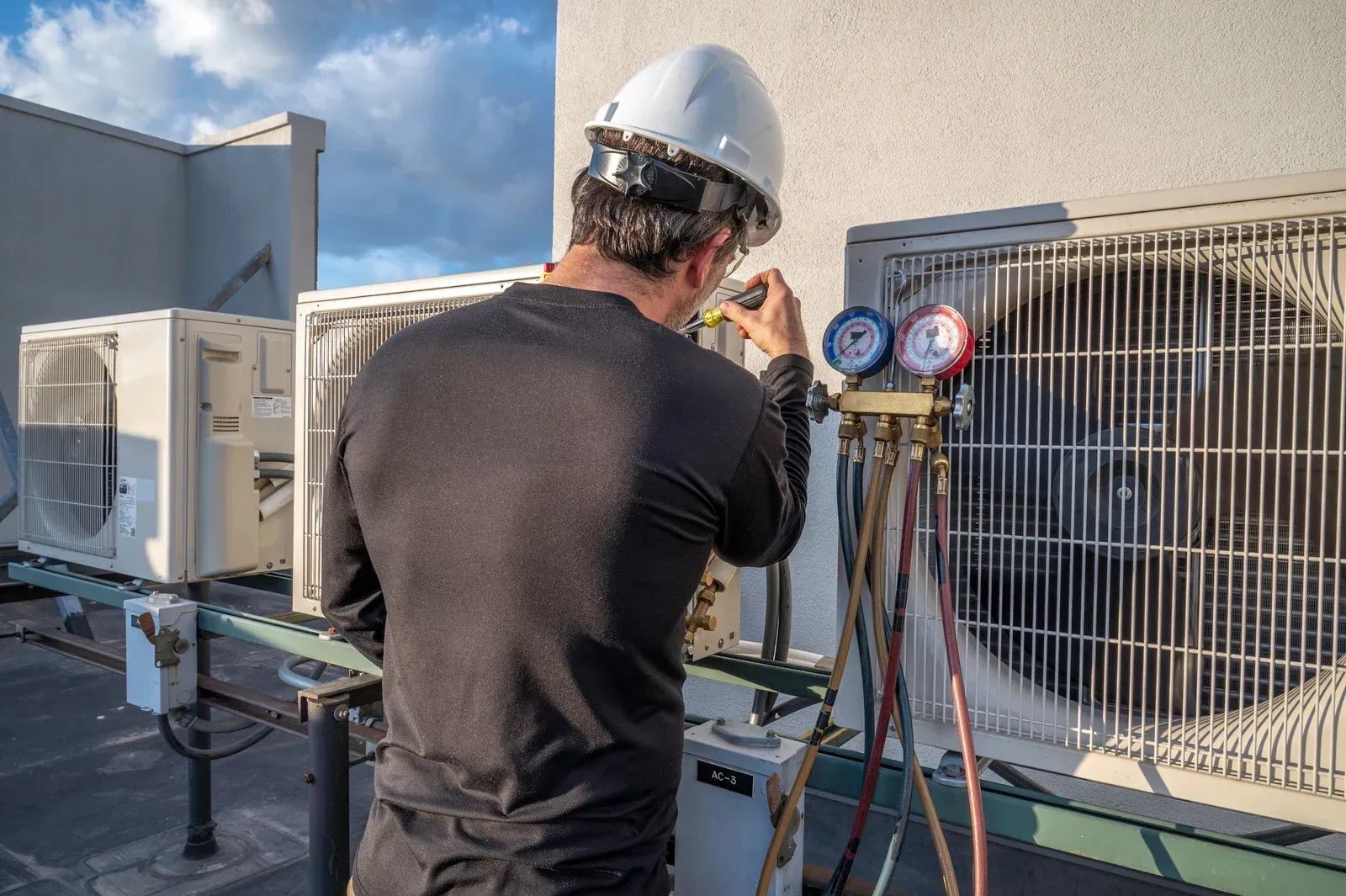
While regular DIY maintenance helps, professional servicing is essential for ensuring long-term system health. HVAC technicians have the tools and expertise to detect underlying issues that may not be visible to the untrained eye. Annual inspections can identify refrigerant leaks, worn-out components, electrical faults, and airflow restrictions.
What to Expect During a Service Visit
During a typical service visit, a technician will:
- Clean coils, fans, and filters thoroughly
- Check refrigerant levels and system pressures
- Inspect electrical connections and components
- Test system performance under load
- Ensure proper drainage and unit alignment
Benefits of Annual Service
Professional maintenance reduces the risk of unexpected breakdowns, improves energy efficiency, and extends the system’s lifespan. For homeowners in regions with extreme weather, routine servicing ensures that the mini-split can reliably heat or cool the space when needed most.
6. Seasonal Preparation and Best Practices
Preparing for Summer and Winter
Ductless mini-splits require seasonal attention to maintain optimal performance. Before the cooling and heating seasons, clean filters and clear outdoor debris.
Practical Daily Habits
Simple daily habits can also improve system performance:
- Keep vents unobstructed to allow proper airflow
- Avoid placing heat-generating devices near sensors
- Ensure doors and windows are closed while the system operates
Trusted Experts Ensuring Your Mini-Split Runs Smoothly
Maintaining a ductless mini-split system doesn’t have to be complicated. Regular filter cleaning, unit inspections, refrigerant monitoring, and proper electrical management are simple yet effective steps to ensure your system operates efficiently year-round. Incorporating both DIY practices and professional servicing maximizes performance, reduces energy costs, and extends the life of your equipment. Seasonal preparation and attention to daily habits further safeguard against preventable issues, keeping your indoor environment comfortable and healthy.
For homeowners and businesses in Santa Fe, New Mexico, seeking reliable HVAC solutions, partnering with an experienced professional makes all the difference. Santa Fe Ductless, LLC prioritizes quality workmanship, thorough inspections, and personalized guidance to ensure every system runs smoothly. Whether it’s routine maintenance or emergency repairs, we provide trusted, efficient, and professional service, helping our clients enjoy optimal comfort, energy savings, and peace of mind with their ductless mini-split systems.