

The Importance of Preventative Maintenance for Long-Lasting Mini-Splits
January 23, 2026

Mini-split systems have become increasingly popular in residential and commercial settings. Their versatility, energy efficiency, and quiet operation make them an attractive alternative to traditional HVAC systems. Unlike central HVAC units, mini-splits do not rely on extensive ductwork, allowing for individualized temperature control in different zones. However, like any mechanical system, mini-splits are prone to wear and tear over time. Neglecting routine maintenance can result in reduced efficiency, higher energy bills, costly repairs, and ultimately, a shorter lifespan for the unit. Understanding the importance of preventative maintenance is essential for homeowners and business owners who want to maximize their investment.
Preventative maintenance involves proactive care measures designed to keep mini-splits operating optimally. This includes regular cleaning, inspections, and minor adjustments that prevent small issues from escalating into significant problems. By implementing a structured maintenance plan, system owners can improve energy efficiency, maintain consistent comfort, and extend the life of their mini-splits. In an industry where reliability and efficiency are paramount, preventative maintenance is not just a recommendation—it is a necessity for long-term system performance.
Understanding Mini-Splits and Their Maintenance Needs
What Makes Mini-Splits Unique
Mini-splits consist of two primary components: an outdoor compressor/condenser and one or more indoor air-handling units. These systems operate without ducts, using a refrigerant line to transfer heat between the indoor and outdoor units. Their design allows for targeted heating and cooling in individual spaces, making them highly efficient and flexible for homes or offices. Unlike traditional HVAC systems, which distribute air through ductwork, mini-splits eliminate energy losses associated with leaky ducts, improving overall system efficiency.
Common Maintenance Needs
Despite their efficiency, mini-splits require consistent upkeep to operate effectively. Key maintenance tasks include cleaning air filters, inspecting and cleaning coils, checking refrigerant levels, and ensuring electrical connections are secure. Failure to maintain these components can lead to poor airflow, reduced cooling or heating capacity, and increased strain on system components. Additionally, the compact design of mini-splits means that even minor obstructions, such as dust buildup or blocked condensate lines, can have a significant impact on performance.
The Role of Preventative Maintenance
Preventative maintenance focuses on addressing these needs before they result in operational failures. Regular check-ups allow technicians to identify early signs of wear or inefficiency, such as refrigerant leaks or worn-out fan motors. By performing routine maintenance, system owners can avoid costly emergency repairs, reduce energy consumption, and maintain optimal indoor comfort. This proactive approach ensures that mini-splits continue to deliver reliable performance year after year, protecting the initial investment and maximizing long-term value.
Energy Efficiency and Cost Savings Through Preventative Maintenance
How Maintenance Boosts Efficiency
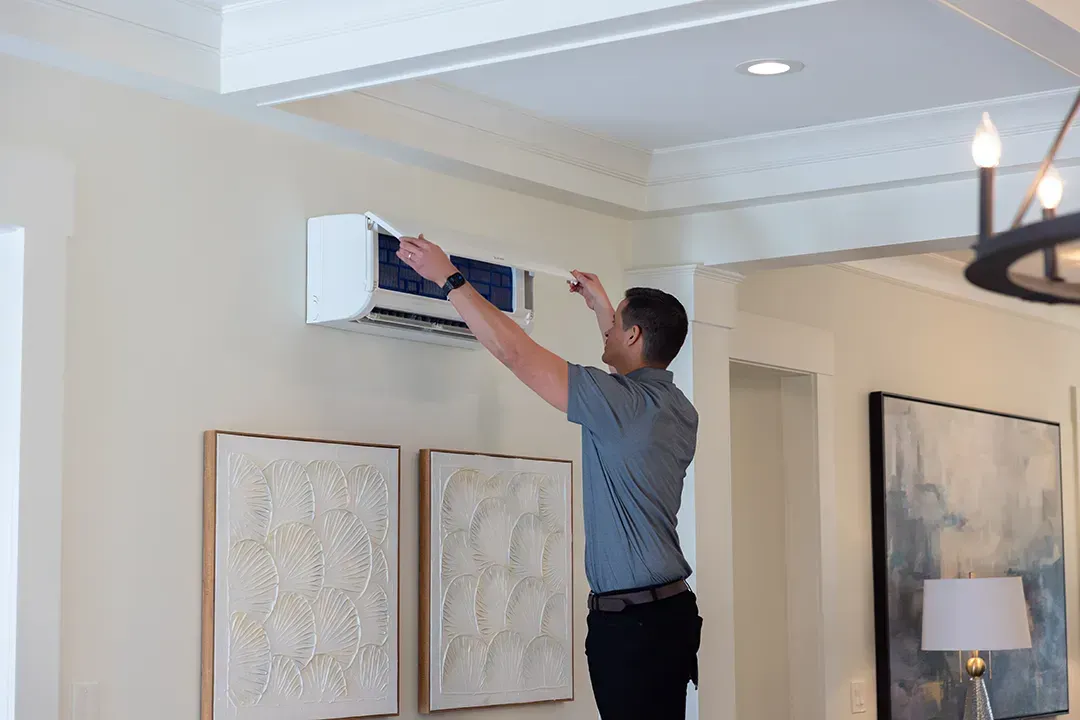
A well-maintained mini-split operates at peak efficiency, consuming less energy to achieve the desired temperature. Dirty filters, clogged coils, and low refrigerant levels force the system to work harder, increasing energy usage and utility bills. By regularly cleaning filters and coils and ensuring proper refrigerant levels, homeowners can significantly improve efficiency. Cleaning filters regularly can restore airflow and allow the system to cool or heat spaces effectively without overworking.
Expert Recommendations
HVAC professionals recommend scheduling biannual maintenance—typically in the spring and fall—to prepare mini-splits for seasonal temperature changes. This routine inspection allows for adjustments to refrigerant levels, identification of electrical issues, and confirmation that system components function correctly. Regular maintenance not only reduces operating costs but also ensures that the system maintains optimal comfort levels in every zone.
Common Mini-Split Problems Preventable With Maintenance
Airflow Issues
Restricted airflow is one of the most common problems mini-splits face. Dust and debris in air filters or indoor coils can reduce airflow, causing uneven temperature distribution and forcing the system to run longer cycles. Routine cleaning of filters and coils prevents these blockages, ensuring consistent comfort throughout the space.
Refrigerant Leaks
Refrigerant is essential for the heat transfer process. Low refrigerant levels can lead to inefficient cooling or heating and strain on the compressor. Preventative maintenance includes checking refrigerant levels and inspecting for leaks, allowing technicians to address small issues before they escalate into major problems that require expensive repairs.
Electrical and Component Failures
Mini-splits rely on electrical components such as fans, sensors, and circuit boards to function correctly. Loose connections or worn components can cause the system to malfunction or stop working entirely. During routine maintenance, technicians can inspect and tighten electrical connections, test motors, and replace any worn parts, preventing unexpected breakdowns.
Condensate and Drainage Issues
Blocked condensate drains can cause water to back up into the indoor unit, potentially leading to water damage or mold growth. Preventative maintenance includes inspecting and cleaning condensate lines and pans, ensuring proper drainage and avoiding moisture-related problems.
Best Practices for Mini-Split Preventative Maintenance
Establish a Maintenance Schedule
Consistency is key to effective preventative maintenance. Establish a schedule that includes biannual professional inspections and monthly self-checks, such as cleaning filters. Keeping a maintenance log helps track completed tasks and anticipate upcoming needs, ensuring no component is overlooked.
Clean Air Filters Regularly
Air filters trap dust, pollen, and other particles that can obstruct airflow. Cleaning filters prevents strain on the system and maintains indoor air quality. For households with pets or residents with allergies, filters may require more frequent attention.
Inspect Outdoor Units
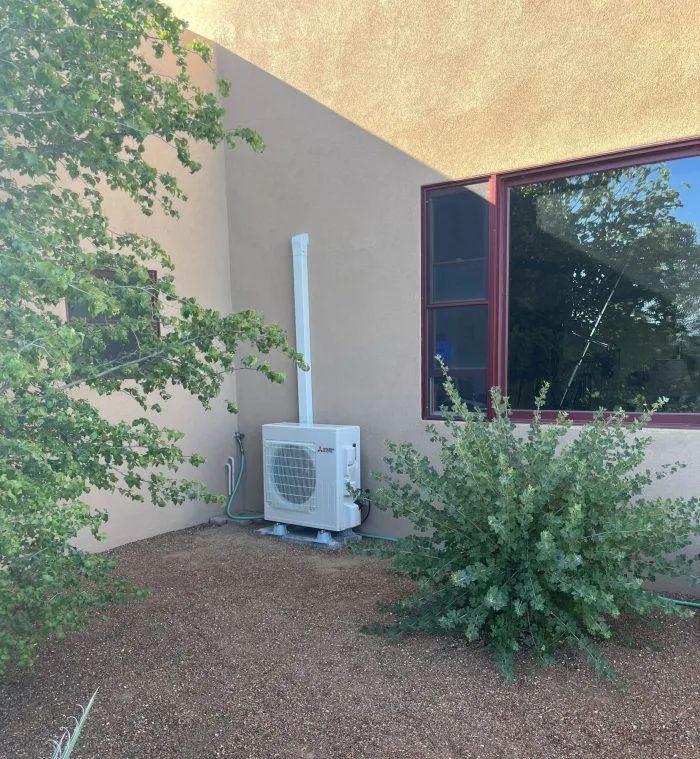
Indoor and outdoor units accumulate dirt over time, reducing heat transfer efficiency. Outdoor units should be kept clear of debris, vegetation and other obstructions to allow proper airflow and efficient operation.
Check Refrigerant Levels and Electrical Components
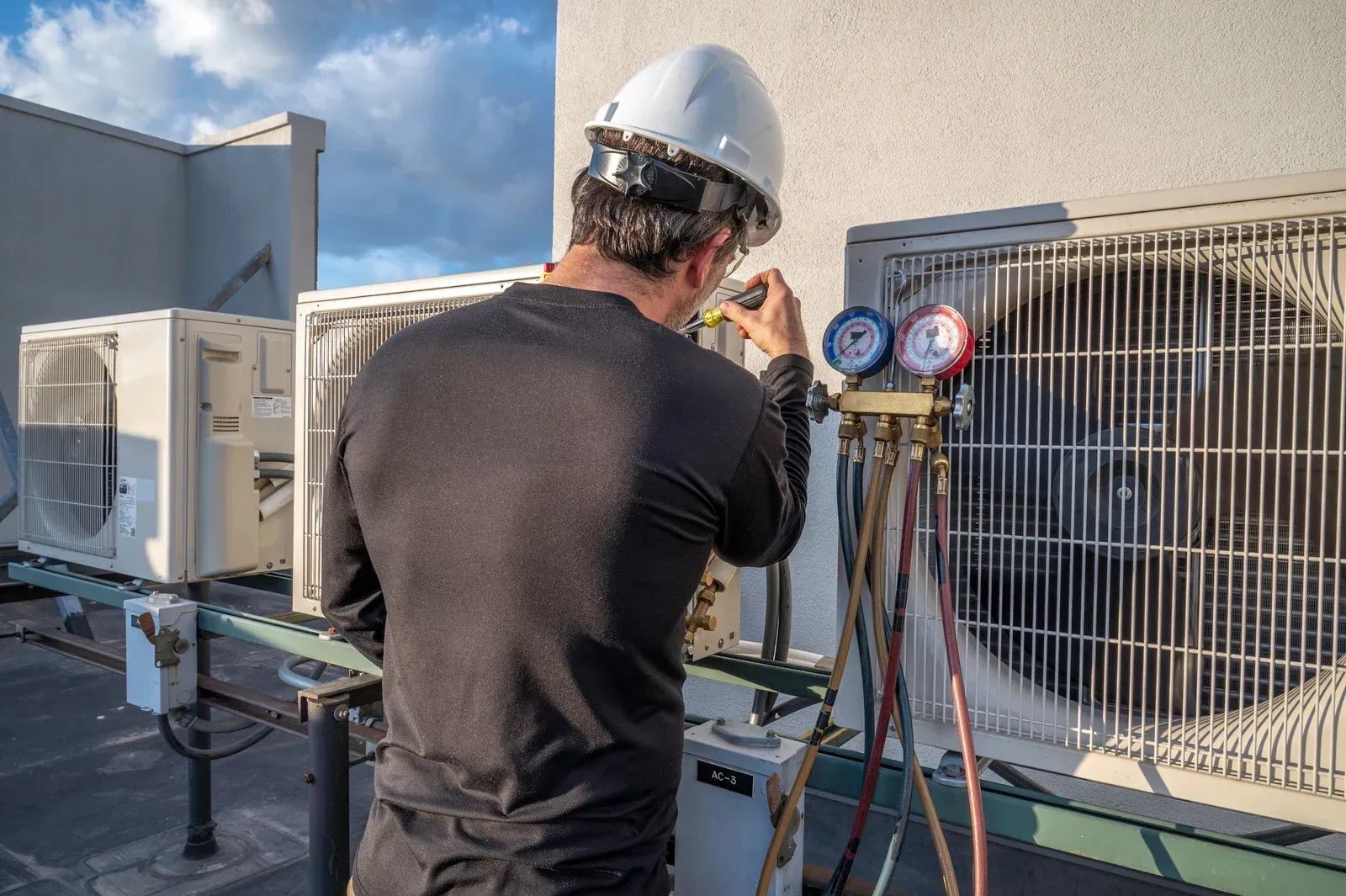
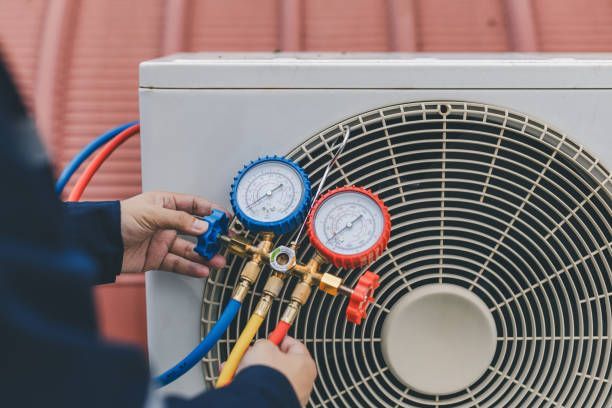
Proper refrigerant levels are critical for energy efficiency and system longevity. A trained technician should inspect refrigerant lines for leaks and recharge the system if necessary. Electrical components, including wiring and circuit boards, should also be tested and tightened to prevent system failures.
Ensure Proper Drainage
Condensate lines must remain clear to prevent water accumulation, which can damage components or encourage mold growth. Regularly flushing drain lines and inspecting condensate drains during maintenance prevents moisture-related issues and contributes to healthy indoor air quality.
Utilize Professional Services
While some maintenance tasks, like filter cleaning, can be handled by homeowners, professional inspections ensure a comprehensive evaluation of the system. Technicians have the tools and expertise to detect hidden issues, adjust refrigerant, and perform precise cleaning or repairs that maximize system efficiency and lifespan.
Long-Term Benefits of Preventative Maintenance
Extended System Lifespan
One of the most significant advantages of preventative maintenance is an extended system lifespan. Mini-splits are a considerable investment, and proper care can extend their operational life by years. Regular maintenance ensures that wear and tear issues are addressed promptly, reducing the likelihood of premature component failure.
Enhanced Comfort and Performance
Routine upkeep keeps mini-splits operating at peak performance, providing consistent temperatures and airflow throughout the space.
Reduced Repair Costs
By addressing minor issues before they escalate, preventative maintenance reduces the likelihood of emergency repairs, which can be expensive and disruptive. Small fixes, such as clearing a clogged filter or tightening a loose connection, are far less costly than replacing a compressor or addressing refrigerant leaks.
Environmental Benefits
Efficient mini-splits consume less energy, reducing the carbon footprint associated with heating and cooling. Regular maintenance contributes to sustainability efforts by minimizing energy waste and extending the life of the system, aligning with environmentally conscious practices.
Trusted HVAC Professionals Safeguarding Your Home Comfort
Preventative maintenance is the cornerstone of
long-lasting mini-split performance. By addressing routine tasks such as filter cleaning, coil inspection, refrigerant checks, and condensate management, system owners can enhance efficiency, reduce operating costs, and prevent unexpected breakdowns. Investing time and resources into maintenance not only extends the lifespan of a mini-split but also ensures consistent comfort, improved air quality, and reduced environmental impact.